Life After Perfect LASIK: What Patients Really Experience
Introduction
If you’ve ever dreamed of waking up and seeing the world clearly—without reaching for glasses or fumbling with contact lenses—perfect LASIK surgery might sound like a miracle. But for many, the idea of having a laser near their eyes brings a mix of curiosity and anxiety.
I’ve seen these feelings countless times in my patients. It’s normal to wonder: What will life be like afterward? Will it really change the way I see the world? The truth is, for most people, LASIK isn’t just about sharper vision—it’s about freedom, confidence, and rediscovering life’s little details.
Let’s walk through the journey step-by-step, from first consultation to what life is truly like after your eyes have healed.
Step 1: Understanding LASIK
LASIK—short for Laser-Assisted In Situ Keratomileusis—is a procedure that reshapes the cornea so light focuses correctly on the retina. This helps correct common vision problems like nearsightedness, farsightedness, and astigmatism.
See more: CPAP Mask Online vs. Local Shop: Deciding Where to Buy for the Best Outcome
Think of your eye like a camera lens: if the lens isn’t shaped properly, the image will be blurry. LASIK fine-tunes that “lens” so you can focus clearly.
Not everyone is a candidate. You’ll need healthy eyes, a stable prescription for at least a year, and be over 18. For some, other vision correction options may be better, but LASIK remains one of the most popular and effective choices worldwide.
Step 2: The Initial Consultation
Your LASIK journey begins with a detailed eye exam.
During this visit, your doctor will:
- Measure your prescription.
- Check corneal thickness and shape.
- Look for any eye health issues, like dry eyes or cataracts.
- Review your medical history.
This is also your time to ask questions—about risks, recovery, and results. I always encourage patients to share their worries. Whether it’s about seeing the laser or fear of pain, open conversation helps build confidence.
Step 3: Preparing for Surgery
Preparation starts a few days before your procedure.
You may need to stop wearing contact lenses for a week or two, since they can slightly alter the shape of your cornea. On surgery day, wear comfortable clothes, skip makeup or lotions, and arrange for someone to drive you home afterward.
I often remind my patients: treat this like any important event—be well-rested, stay hydrated, and follow your doctor’s instructions closely.
Step 4: The Day of the Procedure
Most patients are surprised by how quick and comfortable LASIK really is.
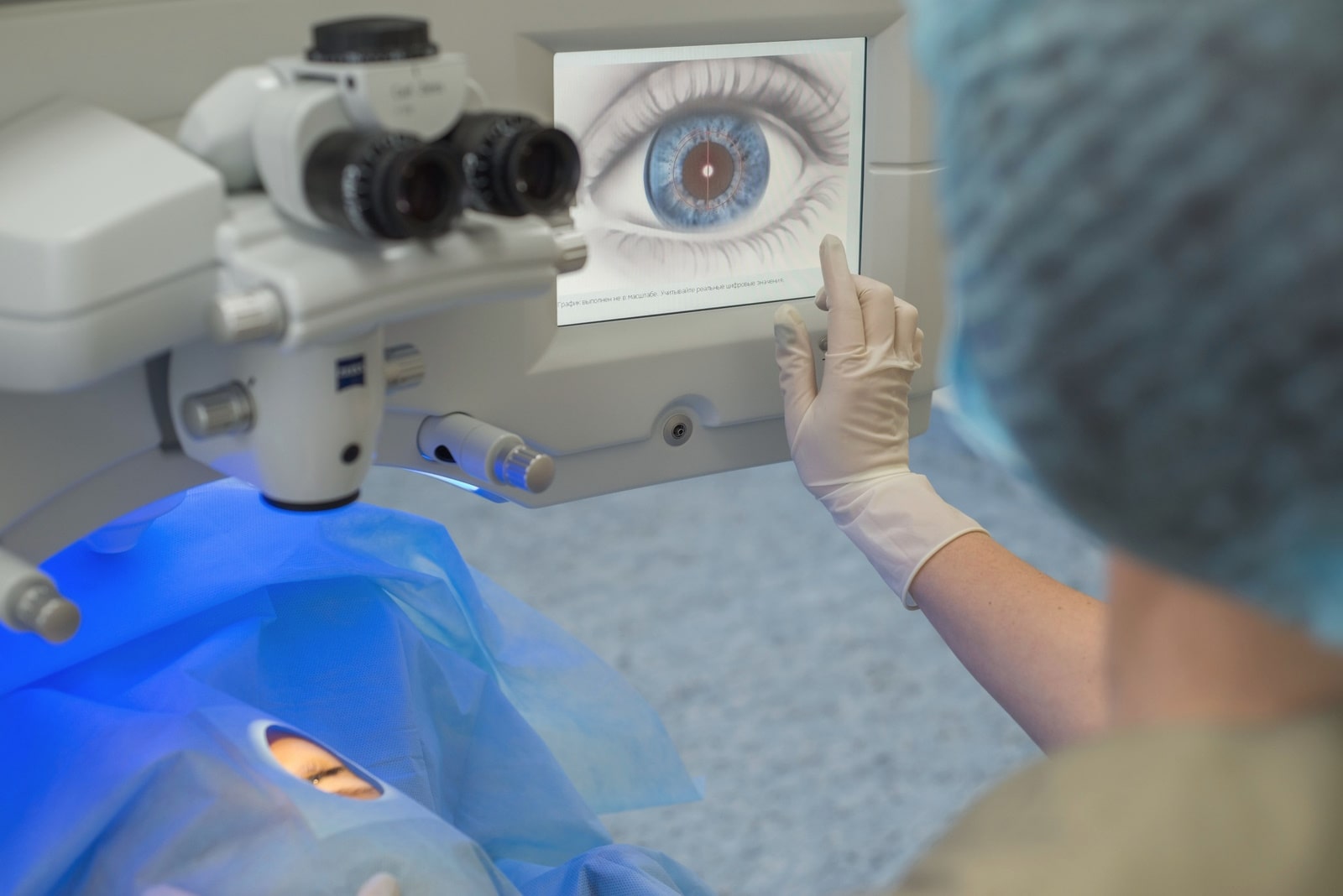
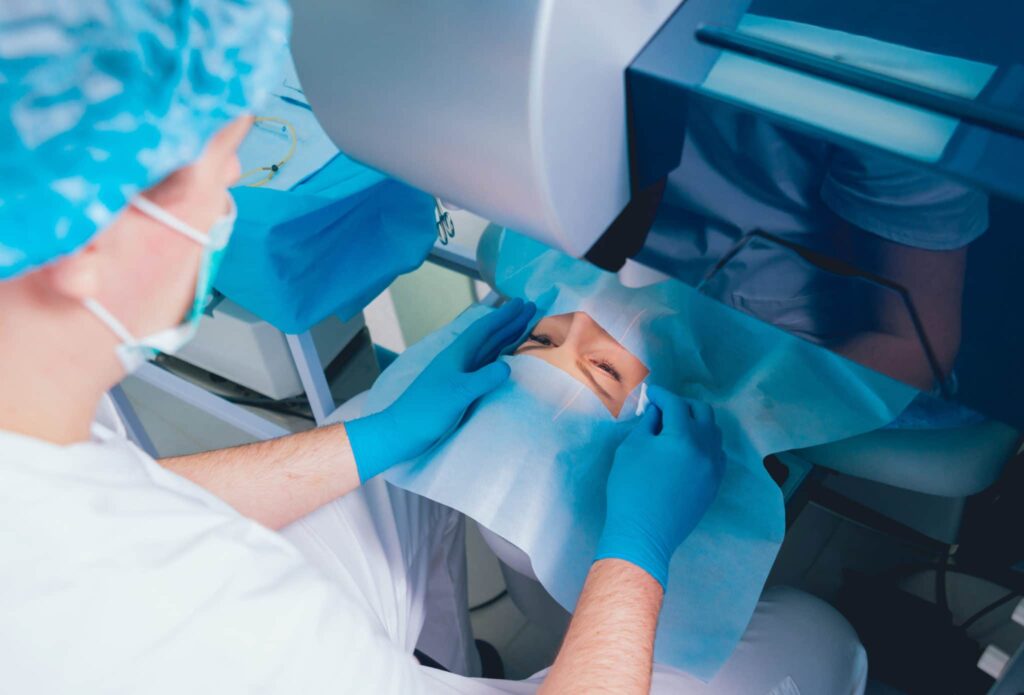
After checking you in, we’ll apply numbing drops to your eyes. You’ll be awake, but you won’t feel pain—just a little gentle pressure at certain points.
Here’s the process in simple terms:
- A thin flap is made on the cornea.
- The laser reshapes the cornea beneath it in seconds.
- The flap is gently placed back into position to heal naturally.
The actual laser part usually takes less than a minute per eye. Many patients tell me afterward, “That’s it? It was faster than I imagined.”
Step 5: Recovery and Healing
Right after surgery, your vision may feel a little hazy—like looking through a misted-up window. This usually improves within hours.
You’ll need to use prescribed eye drops to prevent infection and keep your eyes moist. Avoid rubbing your eyes, swimming, or exposing them to dusty environments for at least a week.
Most people return to desk work or light activities the next day, though your doctor may advise waiting a few days before driving. The key in the first week is to rest your eyes and let them heal naturally.
Step 6: Life After Perfect LASIK
This is where the transformation really happens.
Within days, you’ll likely notice:
- Sharper vision for everyday tasks like reading, cooking, or working.
- Improved night vision for driving.
- Richer colors—many patients say greens look greener and blues look deeper.
Emotionally, the changes can be profound. I’ve had patients tear up when they could read a street sign clearly from far away or wake up and see their loved ones without searching for glasses.
Long term, the results from perfect LASIK surgery can last many years, offering a life free from the daily routine of glasses or contacts.
Common Questions Answered
Does LASIK hurt?
No. You’ll feel pressure, not pain. Most discomfort afterward is mild and temporary.
How soon will I see results?
Many patients notice improvement the same day, with vision stabilizing over the next few days to weeks.
Is LASIK permanent?
The corneal reshaping is permanent, but natural age-related vision changes, like needing reading glasses later in life, can still occur.
Conclusion
Life after LASIK often feels like a fresh start. Yes, there’s a short healing period, and yes, you’ll need to follow aftercare instructions carefully. But once your vision stabilizes, the sense of freedom and clarity can be life-changing.
If you’re considering LASIK, take the time to meet with an experienced eye doctor, ask every question, and make sure it’s the right choice for you. Perfect LASIK surgery isn’t just about correcting vision—it’s about opening up a clearer, brighter way of experiencing the world.